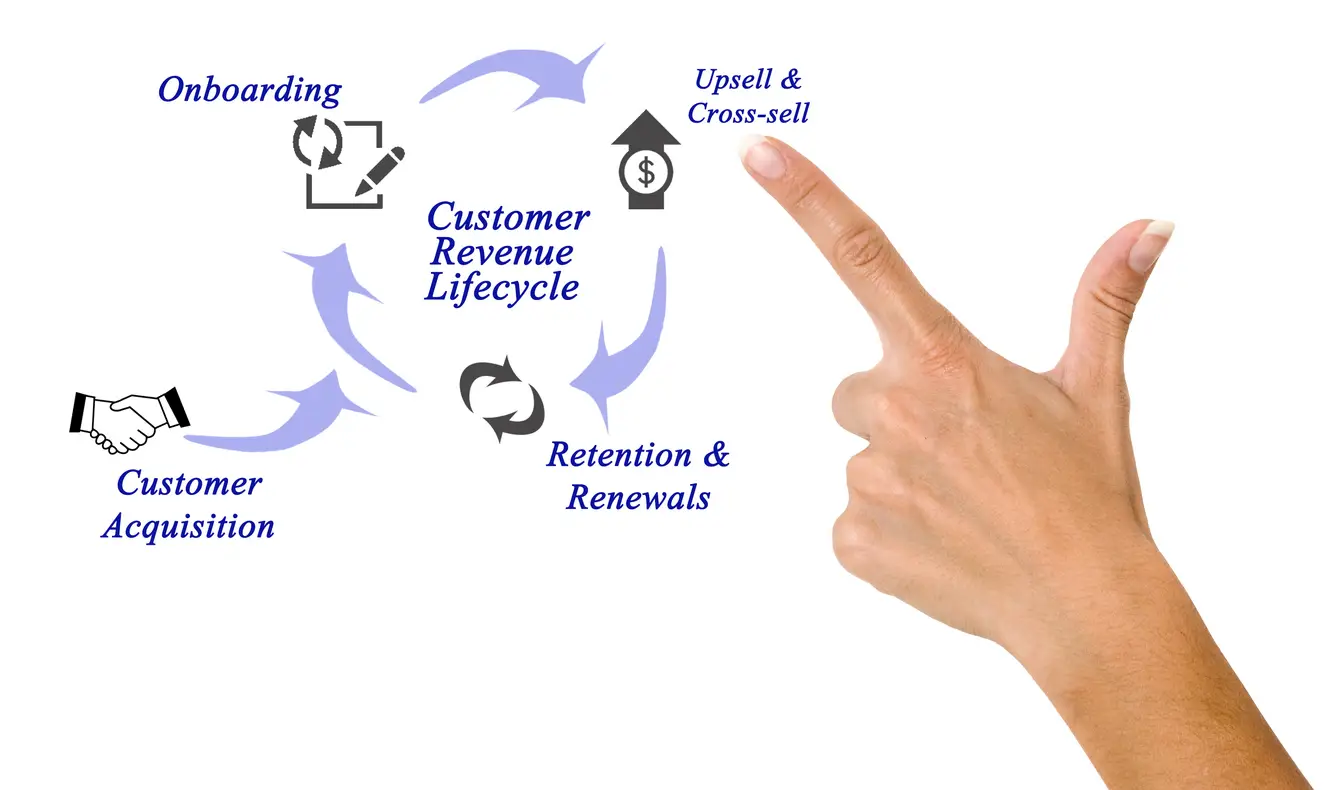
What Is the Revenue Cycle—And Why Is It Often Misunderstood?
The revenue cycle refers to the entire process that begins when a client engages with your med spa and ends when the payment is fully collected and recorded. It includes marketing, lead conversion, scheduling, service delivery, billing, collections, reconciliation, and reporting.
Think of it like plumbing: it’s not just about how much water comes in. If there are leaks, clogs, or inefficiencies, the flow breaks down—and your profits get drained.
Most med spa owners don’t manage their revenue cycle consciously. They run their business reactively—focusing on “getting people in the door” without building the infrastructure needed to sustain and scale operations.
Where Most Med Spas Go Wrong
1. No Control Over Front-End Lead Conversion
Your revenue cycle starts before the patient even walks in the door. If your front desk isn’t trained to answer the phone, follow up on leads, or handle objections, your marketing spend is wasted.
Common symptoms:
- High ad spend, low ROI
- Low consultation show rates
- Long response times to inquiries
Fix it: Implement phone and script training, lead tracking systems, and clear follow-up protocols for all inquiries.
2. Poor Scheduling and Capacity Management
Your schedule is your revenue engine. If it’s not optimized, you’re leaking income.
Common issues:
- Double-booking or large gaps in schedules
- Not prioritizing high-revenue services
- Low provider utilization
Fix it: Use scheduling software that tracks provider availability, service durations, and real-time productivity. Schedule revenue-generating services in peak hours and delegate admin work outside of those windows.
3. Untrained Providers on Upselling and Rebooking
Most providers are clinically trained, not business-trained. If your team isn’t recommending complementary treatments or rebooking patients, you’re missing revenue opportunities.
Common issues:
- Low average revenue per appointment
- High patient churn
- One-and-done visits
Fix it: Train providers to offer treatment plans, track rebooking percentages, and use KPIs like revenue per provider.
4. Broken Point-of-Sale (POS) and Billing Practices
You’d be shocked how many med spas don’t reconcile transactions daily. Incomplete or misclassified payments lead to revenue leakage, inaccurate books, and tax headaches.
Common issues:
- Incorrect sales attribution (wrong provider)
- Missing product/service codes
- Inaccurate reporting for commission and bonuses
Fix it: Use integrated EMR and POS systems. Audit daily sales, reconcile payments, and tag every transaction to a provider and service.
5. No Visibility Into Financial KPIs
If you don’t know your average revenue per hour, utilization rate, or cost per lead—how can you scale?
Common symptoms:
- Unprofitable services being promoted
- Hiring decisions based on “being busy,” not being productive
- Bonus structures not tied to performance
Fix it: Build a monthly dashboard with core KPIs: Revenue per provider, no-show rate, average ticket, membership retention, gross margin, etc.
How to Diagnose and Fix Net Margin Leak — Step by Step
Here’s a practical roadmap to diagnose where your net profit margin is leaking and how to fix it.
Step 1: Build a Clean Cost Spreadsheet
- List all fixed costs: rent, utilities, insurance, software, leases, salaries, overhead, marketing, maintenance.
- List all variable costs: consumables, injectables, supplies, credit‑card fees, product costs, taxes, packaging, etc.
- Track employee hours and associate revenue by provider.
- Include debt service and loan or equipment payments.
This gives you a clear baseline.
Step 2: Calculate Gross Profit Margin and Net Profit Margin
- Gross Margin = (Total Revenue – Variable Costs) / Total Revenue
- Net Margin = (Total Revenue – Total Costs [fixed + variable + debt]) / Total Revenue
Compare with industry benchmarks — if your gross margin looks healthy but net margin is weak, fixed costs or inefficiencies are the issue.
Step 3: Audit Utilization and Efficiency
- Review provider schedules: are there gaps? Overlaps? Downtime?
- Check room utilization rates: are rooms or machines idle?
- Examine productivity per provider: hours worked vs revenue generated
If utilization is low, restructure scheduling, discounts, or service mix.
Step 4: Review Pricing, Service Mix, and Upsell Strategy
- Are services priced too low given costs?
- Do you have a balanced mix of high-margin and high-volume services?
- Are rebooking and retail sales systematically offered?
- Are staff incentivized to upsell or rebook?
Adjust pricing, increase high-margin services, and implement upsell protocols.
Step 5: Cut Redundant or Wasteful Expenses
- Evaluate fixed costs monthly. Cancel or renegotiate unnecessary subscriptions, marketing, vendor contracts.
- Monitor consumable usage strictly — reduce waste, limit comps, control samples.
- Reassess financing: avoid high-interest or balloon loans unless ROI is clearly forecasted.
Step 6: Build a Cash Flow and Reserve Strategy
- Keep 2–3 months of operating expenses in reserve to hedge against seasonal swings or emergencies.
- Forecast cash flow monthly and quarterly with best-case / worst-case scenarios.
- Avoid overcommitting to expansion until profit margins are strong and sustainable.
The Correct Revenue Cycle: Step-by-Step Breakdown
Here’s what a healthy med spa revenue cycle looks like:
1. Marketing → Lead Generation
Track:
- Cost per lead
- Lead source attribution
- Conversion rates to consultation
Use:
- CRM integrations (e.g., Hubspot, PatientNow, Boulevard)
- Response time tracking
- Automations for email/text follow-ups
2. Lead Management → Booking
Track:
- Consult scheduled rate
- Call-to-book ratio
- Consult show-up rate
Ensure:
- Phone scripts are used
- Staff is trained to handle price objections
- Automated reminders are sent
3. Consult → Conversion
Track:
- Consult-to-treatment conversion rate
- Average revenue per new client
Tools:
- Standardized consultation templates
- Financing options presented
- Bundles or membership options explained
4. Service Delivery → Upsell + Rebooking
Track:
- Rebooking rate
- Retail sales per visit
- Add-on service percentage
Ensure:
- Treatment plans are offered
- Product recommendations are made
- Next appointments are booked before patients leave
5. Point-of-Sale + Payment Collection
Track:
- Revenue per provider
- Average ticket size
- Provider sales mix
Ensure:
- Accurate provider and service attribution
- Commission rules are applied
- Payments are reconciled daily
6. Financial Reporting + KPI Review
Track:
- Daily, weekly, monthly dashboards
- Provider productivity benchmarks
- Expense-to-revenue ratio
Tools:
- QuickBooks, Gusto, Boulevard reports, or a CFO dashboard
- Color-coded team KPIs shared weekly
Fixing Your Revenue Cycle: How to Start
You don’t have to overhaul everything overnight. Start by asking:
Do I have a full map of my revenue cycle—from marketing to deposit in the bank?
If not:
- Pick one leak to fix. Maybe it’s poor rebooking, low consult conversions, or inaccurate POS data.
- Set a measurable KPI goal. Example: Improve consult-to-treatment conversion from 60% → 75%.
- Train, track, and incentivize. Align staff bonuses to the part of the cycle they influence.
- Build weekly dashboards. Review trends before they become problems.
Benefits of a Strong Revenue Cycle
When your revenue cycle is optimized, you get:
More predictable revenue
Higher profit margins
Better staff accountability
Stronger cash flow
Smoother expansion readiness
You’re no longer guessing—you’re running a business that scales with intention.
Final Takeaways
Most med spa owners are laser-focused on top-line revenue, but forget the systems that make revenue stick. If you don’t know your numbers—or if you’ve been treating symptoms like poor sales or cash flow issues—it’s time to zoom out and look at your entire revenue cycle.
Control the cycle. Control the outcome.
By tracking, optimizing, and aligning your team around each stage of the revenue cycle, you turn chaos into clarity—and revenue into real profit.
Refer our other article to learn about many med spa owners fall into financing mistakes, as explained in .